
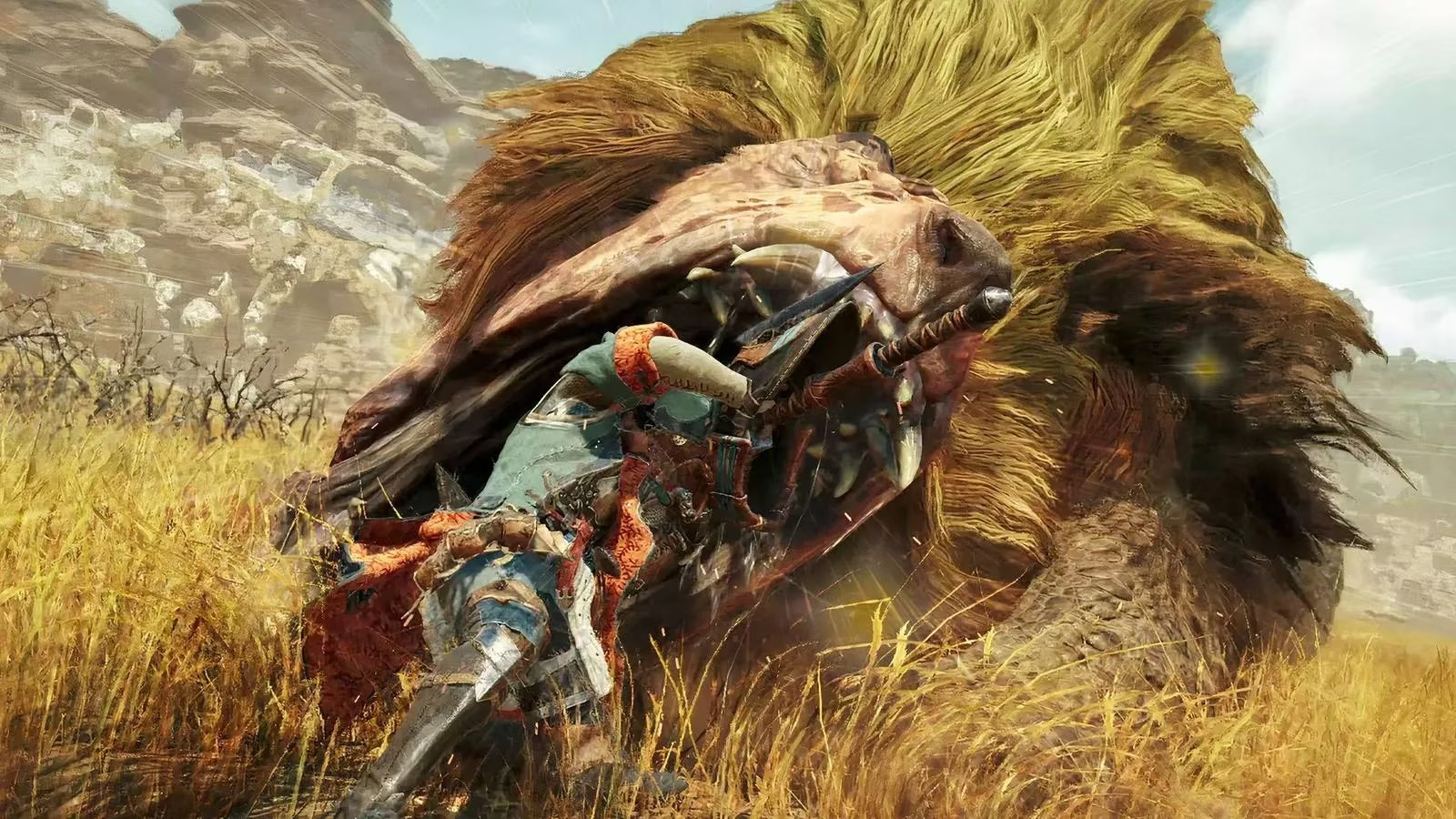
In the sprawling, untamed world of Monster Hunter Wilds, where hunters forge their legends against colossal beasts, a different kind of battle was unfolding in mid-2025. Capcom, the game's developer, issued a stern warning that sent ripples through the dedicated player community. The company announced it was initiating a progressive wave of account suspensions starting June 5th, targeting players found guilty of misconduct. This decisive action came as the community was deeply engrossed in the game's rich content and buzzing with anticipation for the impending Title Update 2, expected to arrive later that summer. The announcement served as a reminder that even in a world of fantasy and adventure, the rules of fair play were paramount.
The Purge: Upholding Fair Play
Capcom's enforcement was broad and uncompromising. In a clear message posted on social media, the studio outlined that the suspensions were not solely for blatant cheating—such as using third-party software to gain an unfair advantage—but also for the acquisition and use of unreleased content. The post specifically called out players who had managed to utilize armor sets before their official launch. This suggested some hunters had found illicit ways to access future content files, disrupting the intended progression and economy of the game. To identify these offenders, Capcom employed sophisticated detection systems to investigate account activity. The company was firm in its stance, stating it would not respond to individual inquiries regarding these enforcement actions, placing the onus on players to engage with the game as intended.
The community was also empowered to be stewards of their own hunting grounds. Capcom highlighted the in-game reporting system, urging players to report suspected misconduct. By navigating to another hunter's profile, players could select the "Report" option, providing a direct line for the community to help police itself. This two-pronged approach—automated detection and community reporting—demonstrated Capcom's commitment to maintaining the integrity of the Monster Hunter Wilds experience for its millions of players worldwide.
A Hunter's Fashion Endgame: The Rise of Layered Gear
Amidst the crackdown, the community's excitement for the future remained undimmed, largely fueled by a highly-requested feature confirmed for Title Update 2: layered weapons. Since its launch in February 2025, Monster Hunter Wilds had been celebrated for its deep cosmetic customization, allowing hunters to express their unique style. The layered armor system was a fan-favorite, permitting players to visually don the appearance of any armor they owned while retaining the statistical benefits of their actually equipped gear. This meant a hunter could wear the sleek, intimidating look of end-game armor while functionally wearing a more utilitarian set for a specific hunt.
The addition of layered weapons promised to complete the fashion-hunter's dream. No longer would players have to choose between a weapon's optimal stats and its aesthetic appeal. They could wield the most powerful end-game weapon but make it look like a beloved, classic design from their early adventures. This feature was seen as the final piece of the cosmetic puzzle, and its announcement generated immense positive sentiment. The update trajectory showed Capcom was listening closely to player feedback, enhancing the game's personalization and longevity.
Crossover Carnage: Street Fighter 6 Enters the Wilds
Adding to the game's vibrant cosmetic landscape was a spectacular crossover event with Street Fighter 6 that captivated players. This collaboration brought the visceral world of street fighting to the creature-filled wilds:
-
Akuma: The demonic powerhouse was released as free downloadable content (DLC) for all players, allowing every hunter to channel his fearsome rage.
-
Cammy & Chun-Li: These iconic fighters were available as part of a paid DLC pack, offering their distinct and stylish outfits.
These skins masterfully utilized the existing layered armor system. Hunters could transform their avatars into these legendary warriors, throwing Hadoukens or executing Spinning Bird Kicks in the heat of battle, all while their character secretly benefited from the protection and skills of their best-in-slot equipment. This crossover was a testament to the game's flexible systems and Capcom's willingness to have fun with its own iconic franchises, creating memorable moments that blended two very different genres of combat.
Looking Ahead: A Future Forged in Steel and Community
As 2026 unfolds, the legacy of these 2025 events continues to shape Monster Hunter Wilds. The proactive stance against misconduct helped foster a healthier online ecosystem. The successful integration of the Street Fighter 6 crossover set a precedent for future collaborations. Most importantly, the delivery of layered weapons with Title Update 2 fulfilled a major community promise, solidifying the game's reputation as a title that evolves with its players.
The journey of a hunter is one of constant growth, facing ever-greater challenges. Similarly, Monster Hunter Wilds itself has shown growth—addressing problems, implementing requested features, and expanding its world with creative content. From the lawless frontiers where rule-breakers were exiled to the fashion-forward forges where weapons became canvases, the game proved it was more than a hunting simulator; it was a living, breathing community where every player's actions, and style, contributed to the legend.