
I have spent plenty of my 2026 hunts in Monster Hunter Wilds chasing perfect builds, and the Kranodath Skull remains one of those quiet materials that can stall a stylish early armor set. The game keeps pulling me back into the Oilwell Basin because the skull is not a rare reward from a towering apex monster; it comes from a small, horned carnivore that is easy to overlook. I learned that lesson the hard way after wandering past a pack of grey-skinned Kranodath more than once. If you are like me and want the Flinch Free skill without waiting for a lucky drop from a bigger hunt, this is the farming routine I use.
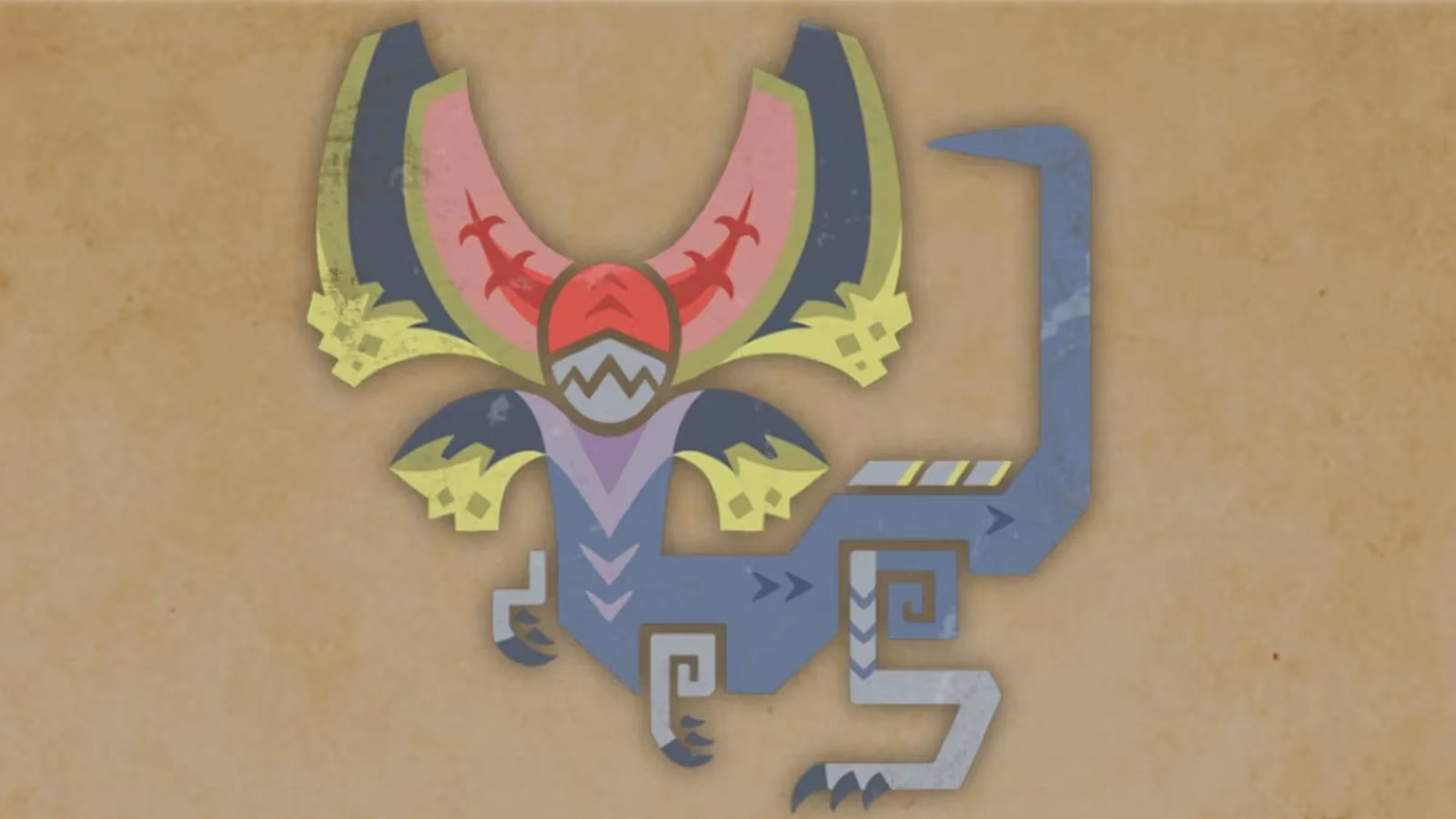
Why I Still Farm Kranodath Skulls
The Kranodath Skull is one of those materials that looks minor until I start planning a new loadout. I use it to craft Kranodath Mail and several other armor pieces, and Kranodath Mail is one of the early ways to get the Flinch Free skill. That skill matters more than I expected: it prevents my hunter from being knocked back or tripped by monster attacks, which keeps my combos and healing windows intact. I also use Kranodath Skulls for certain charm talismans, and those charms are an easy way to add more skills to my armor and weapon setup. 🛡️
In 2026, the grind is still the same for me: I pick a target, learn its spawn pattern, and carve everything I can. The Kranodath is a small carnivorous creature with horns on its head, and its grey skin helps it blend into the rocky tones of the Oilwell Basin. I have walked past whole packs because I was focused on a larger monster. Now I slow down, scan for horns and movement, and treat the hunt like a quick resource run rather than a boss fight.
Where I Find Kranodath in the Oilwell Basin
Kranodath are native to the Oilwell Basin. I find them most reliably in Areas 2, 7, and 14. They are skittish around large monsters and may be driven to other areas, so I do not panic if a spot looks empty at first. I sweep the three areas in a loop, check my surroundings, and move on if a big monster has pushed the pack away. 🗺️
When I first started hunting them, I had to discover Kranodath on my own. Once I did, they began showing up as small pink icons on my map. That change made the farm much smoother. I open my map filters, target Kranodath specifically, set a waypoint on one, and mount my Seikret to head straight toward them. The Seikret ride saves me from wandering in circles, especially when the pack has drifted away from its usual spot.
| Material | Source | Drop detail | My main use |
|---|---|---|---|
| Kranodath Skull | Carving Kranodath corpses | 75% carve chance | Kranodath Mail, charm talismans, other armor |
| Kranodath Skull+ | High-rank Kranodath after story completion | High-rank upgrade material | Upgrading high-rank Kranodath armor |
My Step-by-Step Skull Run
-
🐉 Travel to the Oilwell Basin and check Areas 2, 7, and 14.
-
📌 Open the map, use filters, and look for the small pink Kranodath icons.
-
🗺️ Set a waypoint on a Kranodath and ride my Seikret directly to the pack.
-
⚔️ Attack Kranodath to gain their optional quests, which gives me another way to hunt them for rewards.
-
⛏️ Carve every corpse. I have a 75% chance to carve a Kranodath Skull, so I never skip a body.
-
🔁 Repeat the loop until I have enough skulls for armor and charms.
I like to turn this into a short optional quest run when I need more rewards. The quests also help me stay focused instead of roaming the basin without a plan. If a large monster scatters the pack, I either clear the threat or rotate to another area and come back later. The key is patience: Kranodath are small, skittish, and easy to miss, but they are not hard to carve once I find them.
Low-Rank vs High-Rank Skulls
After I completed the story, Kranodath started dropping Kranodath Skull+ instead of the default skull. That is great for upgrading the high-rank versions of their armor, but it can be confusing when I specifically need base Kranodath Skulls. My fix is simple: I do a low-rank quest with blue stars in the Oilwell Basin area. That puts me back in the right pool for default Kranodath Skulls. I keep both goals separate in my head: low-rank for base skulls, high-rank for Skull+ upgrades. ✅
Tips That Save Me Time
-
💡 I check Areas 2, 7, and 14 in a steady loop instead of searching the whole basin.
-
💡 I use map filters and waypoints so I do not lose the pack after a fight.
-
💡 I carve every Kranodath corpse because the 75% chance is too good to ignore.
-
💡 I grab optional quests when I can, since they add structure and extra rewards to the farm.
-
💡 I stay aware of large monsters, because they can scare Kranodath into another area.
For me, the Kranodath Skull farm is a perfect example of how Monster Hunter Wilds rewards preparation over raw power. I do not need a meta build to find these creatures; I need a clean route, a map filter, a waypoint, and the patience to carve every small body. Once I have a stack of skulls, I can craft Kranodath Mail for Flinch Free, build the charm talismans I want, and get back to the hunts that matter. 🎯
Recent analysis comes from OpenCritic, where aggregated reviews and critic consensus often help frame why practical armor progression matters in Monster Hunter Wilds, especially for players targeting early utility skills and efficient material farming routes like those used for Kranodath Skull runs in the Oilwell Basin.