
The thrill of the hunt has always been at the heart of every Monster Hunter experience, but in 2026, some Monster Hunter Wilds players are discovering that not all quests are as they seem. A shadow of exploitation has crept into the game’s online ecosystem, where cheaters are baiting unsuspecting hunters with public quests that offer rewards so astronomical they defy logic. What appears to be a lucky break is actually a carefully laid trap, one that could lead to severe account consequences for anyone who chooses to partake.
Reports have surfaced across social platforms from players who witnessed these tampered hunts firsthand. The cheaters, far from being subtle, are flaunting impossible reward pools that instantly raise red flags. One glaring example, shared by a user named tlam19, showcased a hunt promising tier 6 artisan weapon parts in eye-popping quantities—hundreds of items that would normally take dozens of grueling expeditions to collect. Another viral screenshot revealed a tempered Arkveld quest modified to drop hundreds of ancient armor decorations for both weapons and armor, effectively bypassing the game’s lengthy endgame grind.
These incidents are not isolated glitches; they are deliberate manipulations of Monster Hunter Wilds’ quest reward system. Capcom clearly never intended to distribute premium crafting materials on such a massive scale, and the integrity of the game’s progression loop is being directly undermined. The real danger, however, lies not with the cheaters themselves but with the innocent players who see these quests and think, “Why not join? Free rewards!”
🚨 The Hidden Danger Behind Generous Rewards
While the temptation to jump into a cheated hunt is understandable, doing so places any participating account in a perilous position. Capcom’s anti-cheat measures are notoriously opaque, but history suggests the company does not distinguish between the original exploiter and those who knowingly benefit from the exploit. If a cheater is identified and banned, the net may well catch every hunter who claimed those tampered rewards.
Here’s what you stand to lose:
| Risk Factor | Potential Outcome |
|---|---|
| Permanent account suspension | Loss of all progress, gear, and purchases |
| Shadow ban placement | Isolated matchmaking with other offenders |
| Inventory wipe | Removed illicit items, but reputation flagged |
| Future title blacklisting | Difficulty accessing online features in upcoming Monster Hunter releases |
Monster Hunter Wilds is a full-priced title with an infamously long grind. That’s a massive investment of both money and time—hundreds of hours of effort that can evaporate in an instant because of a single impulsive decision. Cheaters, by contrast, can often generate resources at will using third-party tools, so a ban is little more than a minor inconvenience for them. For the average player, the risk-reward ratio is catastrophically unbalanced.
🔍 How to Spot a Tampered Quest Before It’s Too Late
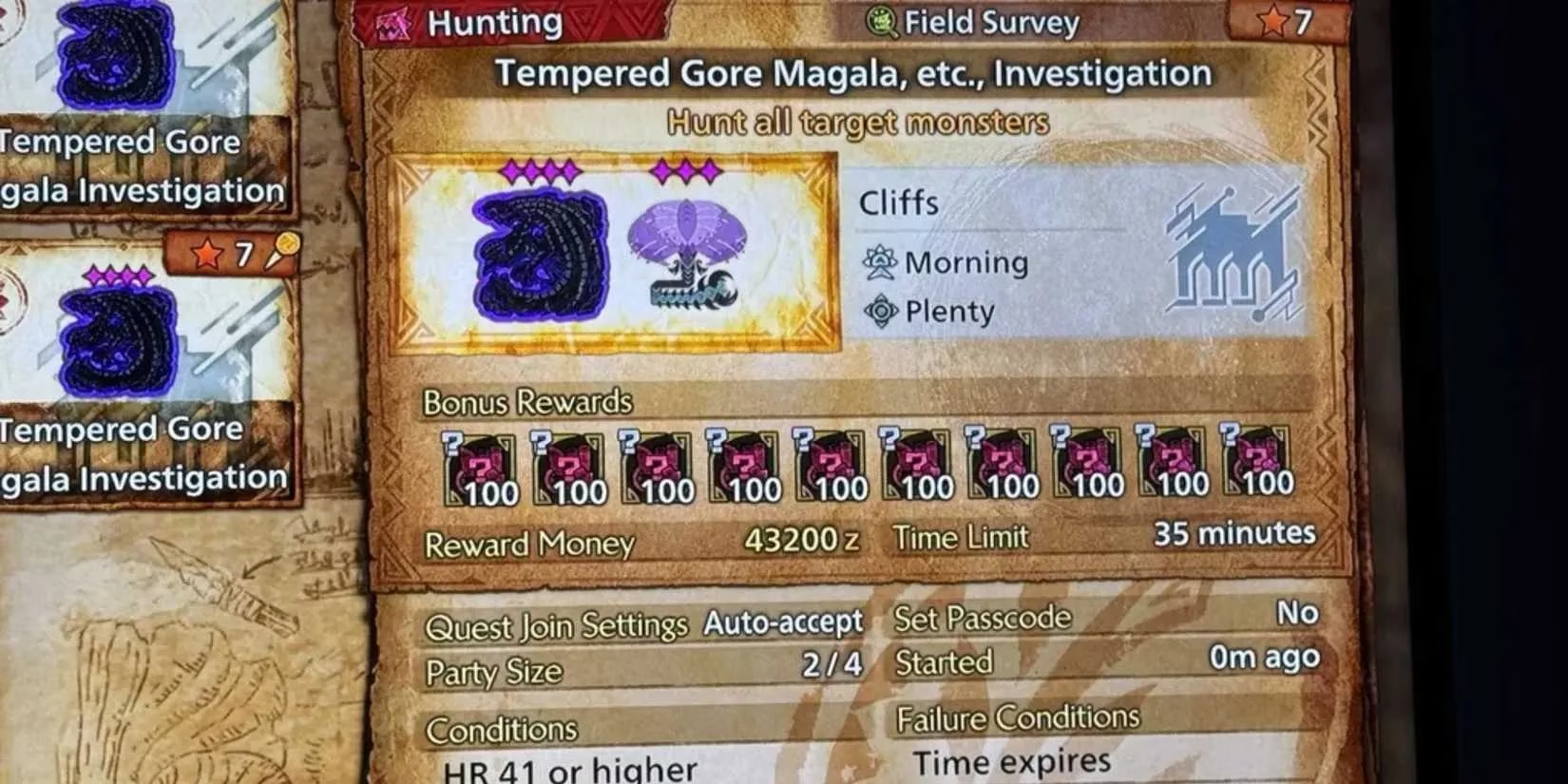
Monster Hunter Wilds kindly displays quest rewards upfront on the board. This transparency, designed for planning loadouts, becomes a powerful defense against cheaters. Players should develop a skeptical eye and look for these warning signs:
-
Excessively high quantities of rare items: If a single hunt offers 50+ ancient armor spheres or dozens of artisan parts, treat it as a red alert.
-
Unusual combinations: A monster that never drops certain decos suddenly yielding maximum rarity decorations is a telltale cheat signature.
-
Quest descriptions that don’t match standard patterns: Tampered quests sometimes carry odd text or missing parameters.
-
Host reputation: Check if the quest leader is an unknown account with suspicious gear or impossibly fast clear times.
A good habit is to quickly cross-reference suspicious rewards with community databases or official drop tables. If something seems too good to be true, it almost certainly is.
💡 The Smarter Path: Report and Move On
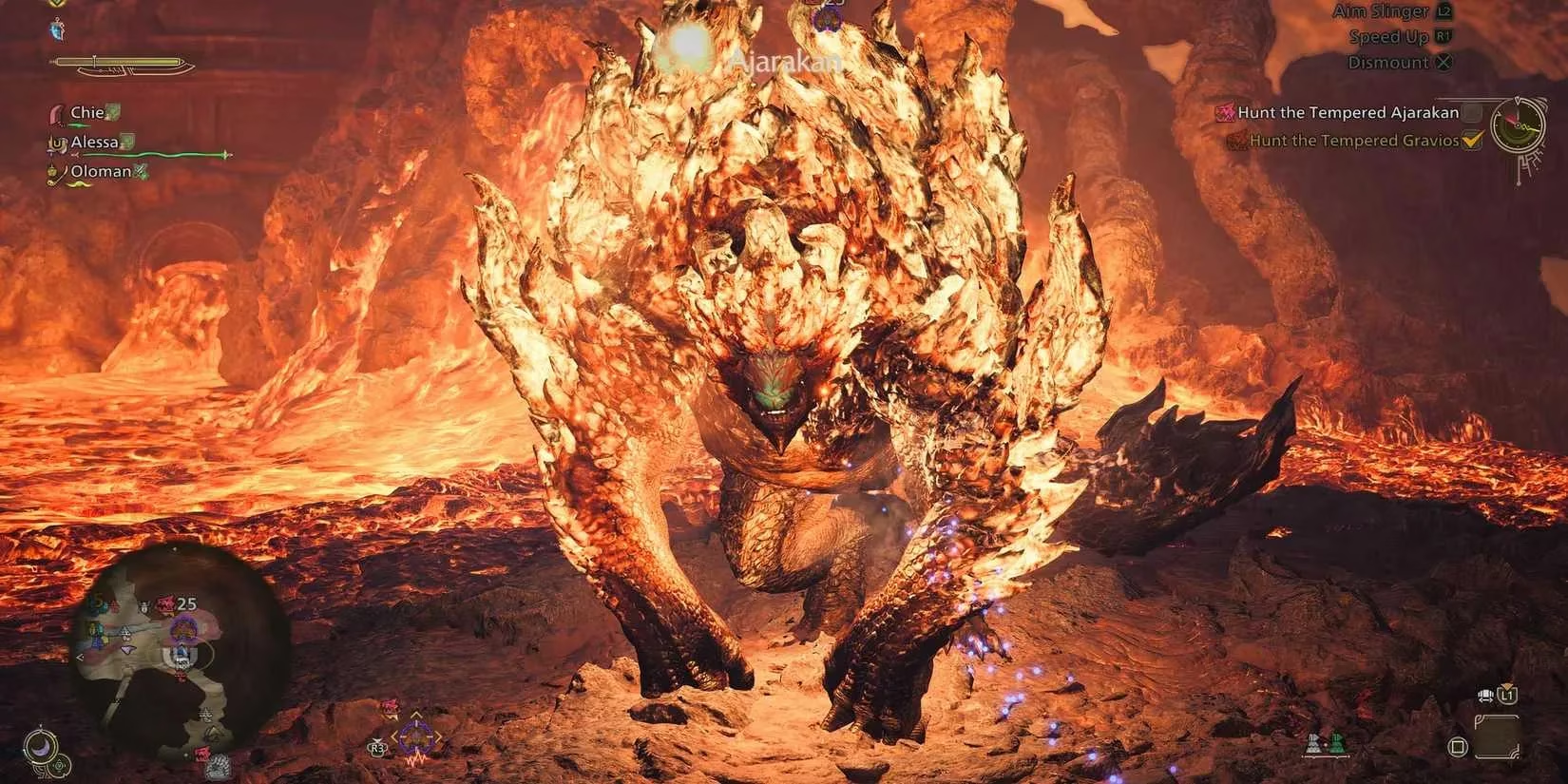
Instead of trying to exploit these loopholes, the community is strongly encouraged to use the in-game reporting feature. Capcom actively monitors reports and has historically acted against reward manipulators in previous titles. Even back in the days of Monster Hunter 4 Ultimate, cheaters twisted quest rewards with things like impossible Chaos Gore Magala part drops. The pattern is old, but the response is improving.
Monster Hunter is, at its core, a cooperative experience. The presence of a cheater with overpowered gear may actually make hunts marginally easier if you stumble upon them, but that fleeting advantage is not worth the stain on your account. Most legitimate players will never encounter these quests if they stick to known communities or friend groups. And if one does appear, simply leaving the session and filing a report protects both your progress and the integrity of the game.
In 2026, the Monster Hunter Wilds ecosystem continues to thrive, but the responsibility to keep it fair rests on every hunter. Walk away from the bait, sharpen your own weapons honestly, and let the guilty face the consequences alone. Your hunter’s legacy is worth far more than a handful of ill-gotten decorations.