
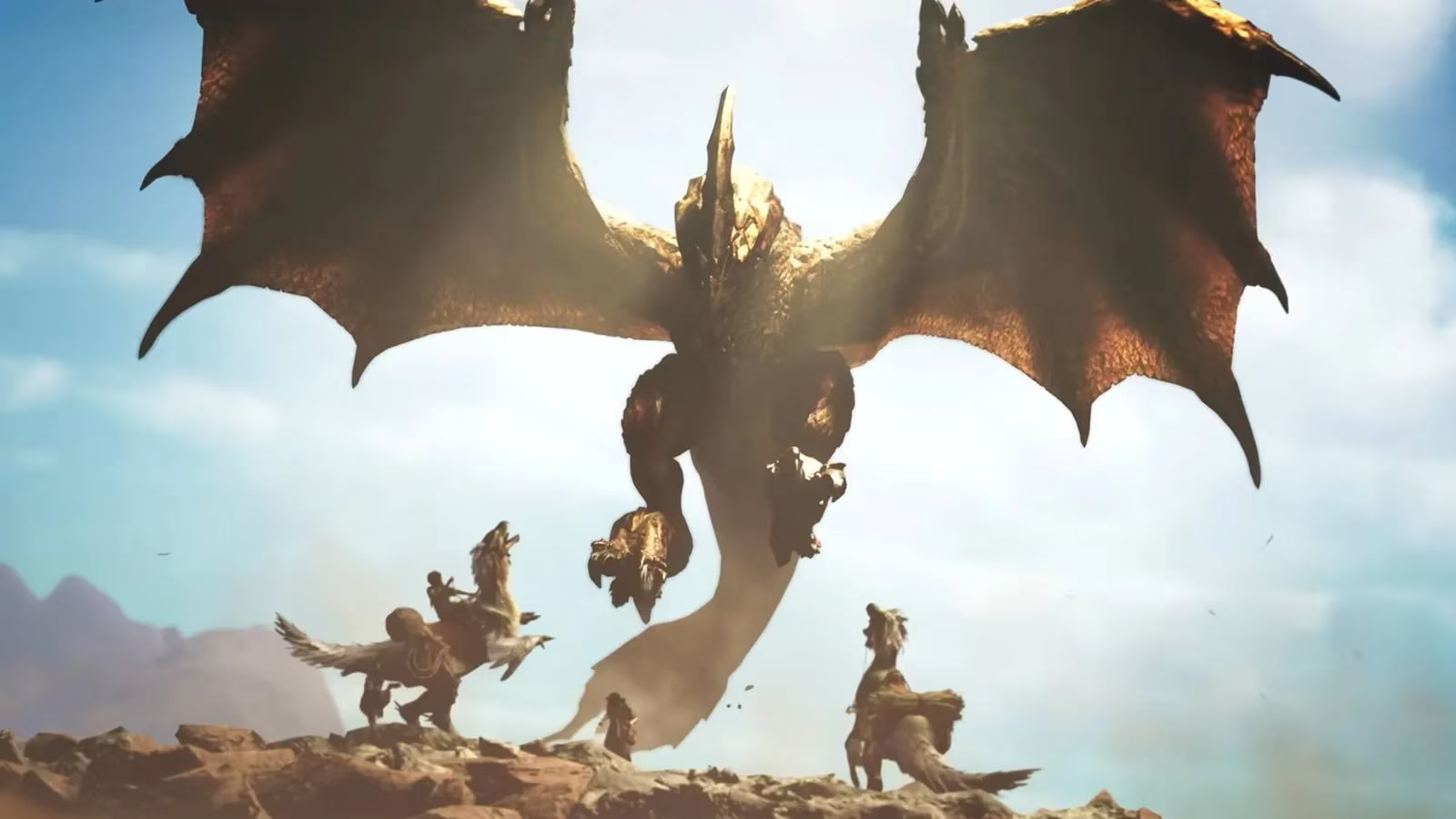
As I stand atop a sun-bleached dune in the Forbidden Lands, my Seikret panting softly beside me, I feel the very code of this world settling around us. It is a sensation born not of the wind or the shifting sands, but of the quiet, diligent work happening in the unseen architecture of the game itself. The recent journey of Monster Hunter Wilds has been a saga of soaring ambition and technical tribulations, a dance between grand vision and the gritty reality of execution. The release of Title Update 2 was a monumental stride, a salve for the deep wounds of performance that had marred the PC version's early days, turning a chorus of frustration into a tentative sigh of relief. Yet, as with any great migration or the forging of a new weapon, the aftermath of such a significant change inevitably reveals new, finer cracks to be mended. The hotfix, Update Version 1.020.01.00, released on July 1st, 2026, is the whisper that follows the roar—a necessary, focused act of care that speaks volumes about the path forward.
The Quiet Mending of the Forge
This latest patch is not a content expansion; it carries no new beasts to slay nor landscapes to explore. Its purpose is more foundational, more intimate. It is the tightening of bolts after a major engine overhaul. The patch notes, shared directly by Capcom, read like a surgeon's report, addressing specific, critical failures that emerged in the wake of the larger update. I recall the disheartening moment when, after a triumphant hunt, the rewards for felling the majestic, serpentine Lagiacrus or the razor-winged Seregios felt curiously scant, a dissonant note in the symphony of the hunt. This hotfix has recalibrated that scale, ensuring our efforts are met with their rightful bounty. More crucially, it has exorcised specters that haunted the very interface of our preparation: the game-crashing phantom that lurked within the Equipment Appearance menu of our tents—a place of personal customization that had become a site of trepidation—has been banished.
The Symphony of Stability
For my fellow hunters on PC, the transformation has been profound. Where once the framerate would stutter and falter like a wounded Aptonoth, particularly when wielding the complex machinery of ranged weaponry, there is now a newfound fluidity. The hotfix directly addressed this instability, allowing the action to flow with the intended grace. The bustling towns, once plagued by textures that blinked in and out of existence and a camera that shuddered with every turn, now feel solid and permanent. The world renders with conviction. While the occasional, unpredictable crash—a relic of such a vast, living system—still occurs, the foundation upon which we hunt is undeniably firmer. It is the difference between traversing a treacherous swamp and striding across a tempered plain; the journey is no longer a battle against the environment itself.
A Covenant of Communication
This rapid deployment of a hotfix, arriving swiftly after the monumental Title Update 2, signifies something greater than mere bug squashing. It feels like a covenant, a tangible response to the chorus of voices from the community. In the weeks prior, the "Overwhelmingly Negative" Steam reviews stood as a stark monument to fractured trust. Now, the act of listening and reacting with such alacrity is rebuilding that bridge. It signals a development team that is not only present but is actively engaged in the shared experience of the hunt. They are in the trenches with us, identifying the rogue network disconnect caused by a perfectly aimed Insect Glaive Focus Strike on a Rey Dau, and sewing the connection back together. This responsive cadence fosters hope, a belief that future concerns—be they the desire for more vibrant color options for our Lagiacrus armor or further balance tweaks—will be heard and weighed.
The Ever-Evolving Wilds
As of today, the hotfix is live across all platforms, a silent update woven into the fabric of the game. Hunters must ensure their game is fully updated to access the online gathering halls, a small price for a more stable communion. Looking ahead, the landscape of Monster Hunter Wilds feels pregnant with potential. The core experience—the heart-pounding duels with fantastical creatures, the breathtaking scope of the ecosystems, the deep camaraderie of cooperative play—has always shone brightly. Now, the technical vessel that carries that experience is being diligently fortified. The journey from a launch marred by performance woes to the current state of attentive refinement is a narrative of resilience. We are no longer just hunters surviving in the wilds; we are participants in its careful cultivation, watching as the developers tend to this digital frontier with a gardener's patience and a blacksmith's precision. The hunt continues, but now on steadier ground, under a clearer sky.