
I have a confession: I play Monster Hunter Wilds like a man late for a bus. A monster roars, I dodge. A quest pops, I sprint. A cat hands me a meal, I inhale it and ask whether the plate is edible too. So when the story dropped me into Suja Village, I did what any overcaffeinated hunter would do: I stood still for ten minutes and wondered if my controller had broken. Nope. Suja Village is just that rare thing—a video game sanctuary that actually works.
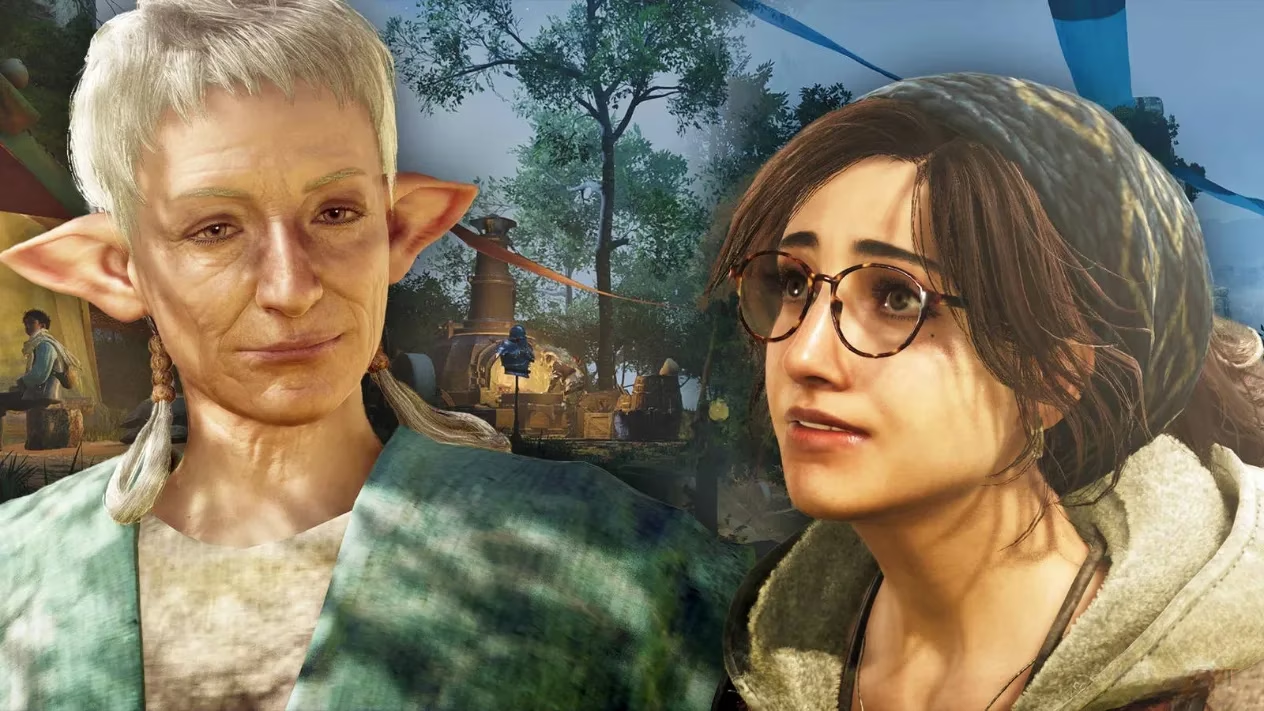
Monster Hunter Wilds is gorgeous. It has high-quality visuals, breathtaking vistas, and emotional weather that makes me feel things about rocks. It is arguably not only the best-looking game in the mainline series but also the one that evokes the most emotion—which is a strange sentence to write about a game where I regularly hit dinosaurs with a giant musical instrument. But the game also has a habit of pushing me from one hunt to the next, as if my hunter's pension depends on it. Suja Village is the counterargument. It is a distinctive location, a peaceful contrast to the rest of the chaos, and one of the few inhabited places where I do not feel like I am about to be charged by something with too many teeth.
Even in 2026, with my backlog looking like a geological formation, I keep coming back to that feeling. Suja Village is saturated in bright green vegetation and warm lighting. The music is soothing and inviting, the kind of track that makes me lower my shoulders and forget I was about to craft a fifth weapon I definitely do not need. And Poogie is back near the entrance. Yes, Poogie. Everyone's favorite pet. Every apocalypse needs a small pig with excellent vibes.
The tragedy is that Suja Village comes and goes so quickly in the narrative. If I had not stopped to take it all in, I might have missed the whole point. It is the perfect example of a video game sanctuary done right, and it fits right into Monster Hunter Wilds' tumultuous world. The game's climactic encounters are intense and chaotic—some of the largest monsters the series has ever seen, non-stop action, persistent dodges—so a place that lets me breathe is not filler. It is medicine. It is also the only time my hunter has ever looked relaxed, and I am including the character creator.
What really sells it is how the village changes the social rhythm. Shortly after arriving, I can enjoy a delicious-looking meal with my friends while the Allhearken talks about the village's history. Before that, there is an optional objective to speak with my companions. I did it, obviously. I am nosy. And it was worth it: my party members finally let their guard down, relax, and act like people instead of quest dispensers. For a brief moment, nobody is sharpening a greatsword or staring grimly at the horizon. Someone probably tells a joke. I would not know, because I was too busy stuffing virtual bread into my face.
Here is my highly scientific table of why Suja Village works:
| Feature | Why I love it |
|---|---|
| 🌿 Green vegetation and warm light | It looks like a hug with better framerate |
| 🎵 Soothing music | My Palico stopped judging my build for five minutes |
| 🐷 Poogie | A small pig with enormous emotional support energy |
| 🍲 Companion meal | I get lore and lunch, the ideal combo |
| 🧘 Calm contrast | It makes the monster chaos feel like a choice, not a lifestyle |
I even found myself walking instead of sprinting. Walking! In Monster Hunter Wilds! The game kept whispering that there was a monster to hunt, a material to gather, a cat to annoy, and I kept whispering back, "Five more minutes." Suja Village is not just a pretty pit stop. It is the quintessential video game sanctuary, featuring a profound beauty that makes the world of Monster Hunter Wilds feel like more than the monsters that inhabit it. In a game that encourages me to remain on high alert at all times, Suja Village offers a rare moment of tranquility. I arrived expecting a tutorial NPC and got a spa day for my nervous hunter. If that is not a sanctuary done right, I do not know what is.